
Vintage furniture for classic home styling offers a unique blend of timeless elegance and enduring quality. This approach allows homeowners to create spaces that reflect personal style while embracing the enduring appeal of classic design. From mid-century modern pieces to antique treasures, carefully selected vintage furniture can transform a house into a home brimming with character and sophistication.
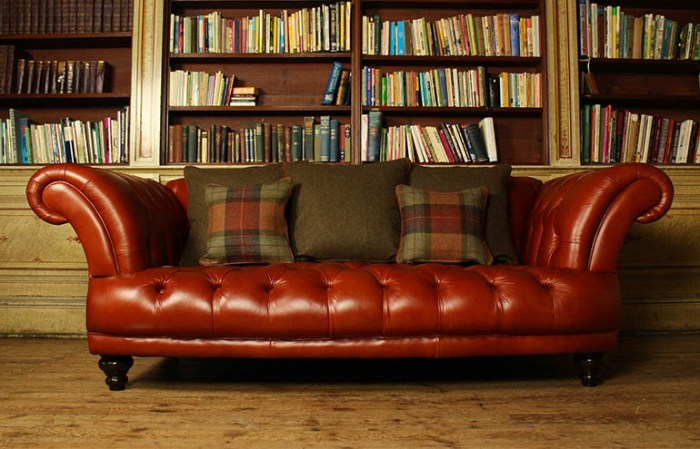
The careful curation and thoughtful placement of these pieces are key to achieving a cohesive and stylish interior.
Choosing vintage furniture involves understanding the different styles, materials, and eras. Consider the overall aesthetic you wish to achieve – whether it’s a sleek, minimalist look or a more richly layered, traditional style. Assessing the condition of the piece and understanding potential restoration needs is crucial. Finally, integrating vintage pieces seamlessly with contemporary elements requires a keen eye for balance and proportion.
The allure of vintage furniture lies in its unique character, enduring quality, and ability to imbue a home with unparalleled charm. For those seeking to craft a classic home style, incorporating carefully chosen vintage pieces can be transformative, adding depth, personality, and a touch of history that mass-produced furniture simply can’t replicate. This comprehensive guide delves into the world of vintage furniture, offering insights into selection, care, and integration into your classic home design.
Understanding the Appeal of Vintage Furniture: Vintage Furniture For Classic Home Styling
Beyond mere aesthetics, vintage furniture offers several compelling advantages for classic home styling. Its inherent craftsmanship often surpasses that of modern counterparts, resulting in pieces built to last for generations. The materials used – solid wood, high-quality upholstery, and durable hardware – contribute to their longevity and inherent value. Furthermore, the patina developed over time, the subtle imperfections, and the unique history embedded within each piece add an irreplaceable authenticity that elevates the overall ambiance of a room.
Key Characteristics of Vintage Furniture Styles
- Mid-Century Modern (MCM): Characterized by clean lines, organic shapes, and the use of materials like teak, walnut, and molded plywood. Think iconic Eames chairs and sleek credenzas.
- Art Deco: Known for its geometric patterns, luxurious materials (like lacquer and chrome), and bold silhouettes. Expect strong lines and a sense of opulence.
- Victorian: Often featuring ornate carvings, dark wood finishes, and plush upholstery. Think heavy, detailed pieces with a sense of grandeur.
- French Provincial: Defined by its rustic charm, light wood tones, and delicate carvings. Often incorporates painted finishes and distressed details.
- Shaker: Emphasizes simplicity, functionality, and clean lines. Characterized by its unadorned surfaces and minimalist aesthetic.
Selecting Vintage Furniture for Your Classic Home
Choosing the right vintage pieces requires careful consideration of several factors. Firstly, assess your existing home style and identify the specific vintage aesthetic that complements it. Consider the color palette, existing architectural details, and overall mood you wish to create. Secondly, prioritize quality over quantity. Inspect pieces thoroughly for structural soundness, signs of damage, and the overall condition of the materials.
Finally, consider the scale and proportions of the furniture in relation to the size of your rooms. Overly large or small pieces can disrupt the balance and flow of a space.
Where to Find Authentic Vintage Furniture
- Antique shops and malls: These offer a curated selection of vintage pieces, often with expert authentication and restoration services.
- Estate sales and auctions: Excellent opportunities to discover unique and often undervalued pieces, but require more research and due diligence.
- Online marketplaces (eBay, Etsy): Offer a vast selection, but require careful vetting of sellers and careful examination of product descriptions and photos.
- Thrift stores and flea markets: Can be a treasure trove of hidden gems, but require patience and a keen eye for quality.
- Consignment shops: Specialize in reselling pre-owned furniture, often offering a mix of vintage and antique pieces.
Integrating Vintage Furniture into Your Classic Home Design
Once you’ve acquired your vintage treasures, integrating them seamlessly into your existing décor requires a thoughtful approach. Consider the placement of each piece, ensuring it complements the surrounding elements. Don’t be afraid to mix and match styles, creating a layered and eclectic look that reflects your personal taste. Pay attention to the balance of textures and colors, and use accessories like rugs, throws, and artwork to enhance the overall aesthetic.
Tips for Styling with Vintage Furniture
- Create a focal point: Use a statement vintage piece, such as a grand antique armoire or a striking mid-century modern sofa, as the centerpiece of a room.
- Balance old and new: Combine vintage furniture with contemporary pieces to create a harmonious and updated look.
- Consider the color palette: Choose vintage pieces that complement your existing color scheme, or use them as an opportunity to introduce new hues.
- Layer textures and patterns: Add depth and visual interest by incorporating various textures and patterns through rugs, cushions, and throws.
- Accessorize thoughtfully: Use carefully chosen accessories to enhance the character and style of your vintage furniture.
Caring for Your Vintage Furniture
Proper care is essential to preserving the beauty and longevity of your vintage furniture. Regular dusting and cleaning are crucial, using appropriate methods for different materials. Avoid harsh chemicals and abrasive cleaners, opting instead for gentle solutions and soft cloths. For upholstered pieces, regular vacuuming and professional cleaning are recommended. Protecting your furniture from direct sunlight and excessive humidity can also help prevent damage and fading.
Restoration and Repair of Vintage Furniture, Vintage furniture for classic home styling
Over time, vintage furniture may require restoration or repair. Minor repairs, such as tightening loose screws or replacing worn-out hardware, can often be undertaken at home. However, more extensive repairs or restoration should be entrusted to experienced professionals who possess the necessary skills and expertise to preserve the integrity of the piece.
Frequently Asked Questions (FAQ)
- Q: How can I determine the authenticity of a vintage piece? A: Seek expert advice from antique dealers or appraisers. Examine the construction, materials, and markings for clues indicating age and origin.
- Q: How do I clean different types of vintage furniture? A: Use appropriate cleaning methods for each material (wood, upholstery, metal). Always test any cleaning solution on an inconspicuous area first.
- Q: What are the common signs of damage to look for when buying vintage furniture? A: Check for cracks, warping, loose joints, water damage, insect infestation, and significant wear and tear.
- Q: How can I protect my vintage furniture from damage? A: Use coasters, placemats, and furniture covers to prevent scratches and spills. Avoid placing furniture in direct sunlight or near heat sources.
- Q: Where can I find reputable furniture restorers? A: Ask for recommendations from antique dealers, auction houses, or online forums dedicated to vintage furniture.
Resources
- 1stDibs (High-end vintage and antique furniture)
- Chairish (Online marketplace for vintage and contemporary furniture)
- Etsy (Online marketplace with a wide selection of vintage and handmade items)
Call to Action
Ready to infuse your classic home with the timeless elegance of vintage furniture? Start browsing today and discover the unique charm and lasting value that these exceptional pieces offer. Embrace the history, craftsmanship, and enduring style of vintage furniture to create a truly unforgettable home.
FAQ Compilation
How do I clean vintage furniture?
Cleaning methods vary depending on the material (wood, upholstery, etc.). Always test any cleaning solution on an inconspicuous area first. For wood, a damp cloth is often sufficient; for upholstery, vacuuming and spot cleaning are recommended. Consult a professional for delicate or valuable pieces.
Where can I find reputable vintage furniture dealers?
Antique shops, flea markets, online marketplaces (like eBay or Etsy), and dedicated vintage furniture stores are good places to start. Research dealers’ reputations and check customer reviews before making a purchase.
How can I determine the value of a vintage furniture piece?
Appraisals from qualified antique dealers or auction houses provide the most accurate valuations. Online resources and books on antique furniture can offer guidance, but professional appraisal is recommended for accurate pricing.